SOx and NOx reduction systems
SOₓ and NOₓ reduction systems are vital for curbing industrial air pollution in power, cement, steel, and chemical sectors. Techniques like Flue Gas Desulfurization (FGD), SCR, SNCR, low-NOₓ burners, and EGR help cut emissions, improve compliance, and protect health and the environment.
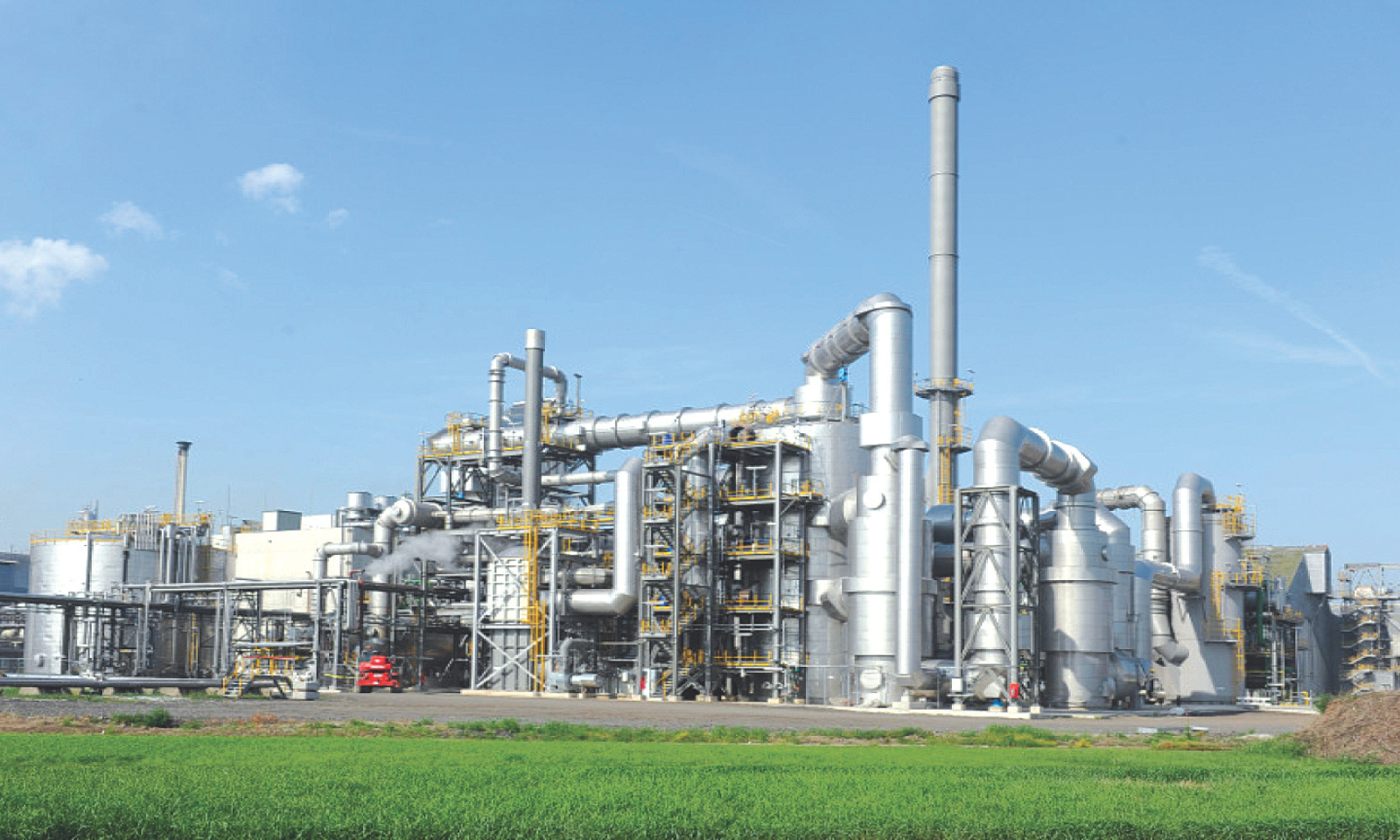
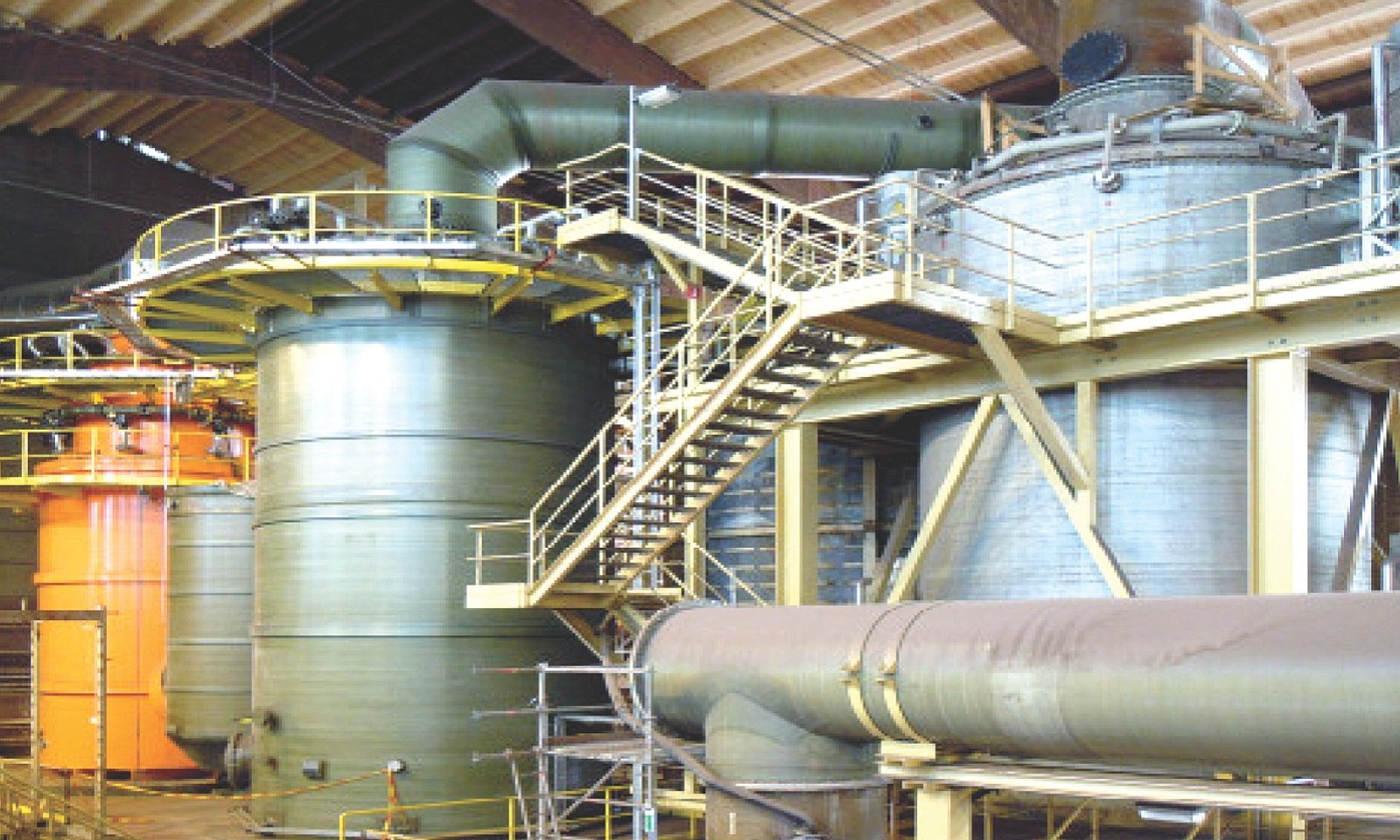
SOₓ (Sulfur Oxides) and NOₓ (Nitrogen Oxides) reduction systems are critical for controlling air pollution, especially in industries like power generation, cement manufacturing, steel plants, and chemical processing. These systems reduce harmful emissions that contribute to acid rain, smog, and respiratory problems.
A. SOₓ Reduction Systems:
Sulphur oxides (SO₂ and SO₃) are primarily generated from the combustion of fossil fuels containing sulphur.
1. Flue Gas Desulfurization (FGD) Systems:
• Wet FGD (Scrubber): Uses a limestone or lime slurry to absorb SO₂. The SO₂ reacts with calcium to form gypsum (CaSO₄•2H₂O), which can be recycled.
• Dry FGD: Uses dry reagents like lime or sodium bicarbonate to neutralize SO₂, producing dry waste for disposal.
• Semi-Wet FGD: Combines elements of wet and dry systems for efficient SO₂ removal.
2. Catalytic Reduction (for SO₃):
• Uses catalysts to convert SO₃ into less harmful compounds, often in combination with FGD systems.
3. Selective Catalytic Reduction (SCR) (for SOₓ/NOₓ Control):
• While primarily for NOₓ, SCR can also help in reducing SOₓ emissions in specific configurations.
B. NOₓ Reduction Systems:
Nitrogen oxides (NO and NO₂) are mainly produced from high-temperature combustion processes.
1. Selective Catalytic Reduction (SCR):
• The most effective method for NOₓ reduction.
• Uses a catalyst (usually titanium-based) and a reducing agent (ammonia or urea) to convert NOₓ into nitrogen (N₂) and water (H₂O).
• High efficiency (up to 90% reduction) and suitable for large-scale applications.
2. Selective Non-Catalytic Reduction (SNCR):
• Involves injecting a reducing agent (ammonia or urea) directly into the flue gas at high temperatures.
• Lower efficiency than SCR (30–50%) but simpler and cheaper to install.
3. Low-NOₓ Burners:
• Modify combustion processes to reduce NOₓ formation at the source.
• Good for new installations or retrofitting burners in existing systems.
4. Exhaust Gas Recirculation (EGR):
• Recirculates a portion of flue gas back into the combustion chamber to lower flame temperatures, reducing NOₓ formation.
Key Advantages
Our products are designed with a focus on quality, durability, and innovation. Each advantage reflects our commitment to delivering value and reliability for our customers.
We're thriving and building better products
Helps industries meet national and international emission standards like EPA (U.S.) , EU Industrial Emissions Directive (IED) , CPCB (India) , Other regional air quality regulations.
Reduces the formation of acid rain, smog, and ground-level ozone, contributing to cleaner air and healthier ecosystems.
Lowers the concentration of SO₂ and NO₂, which are linked to respiratory diseases, cardiovascular problems, and premature death.
Can be integrated with systems like: Electrostatic Precipitators (ESP), Bag Filters, Wet and Dry Scrubbers, etc.
Reduces penalties for non-compliance and improves energy efficiency.
Advanced designs minimize generation of secondary waste (e.g., sludges, brines) and can include waste treatment or dry process options.
Serving Industries
We proudly serve a wide range of industries with our reliable and innovative solutions. From manufacturing and construction to infrastructure, energy, and beyond.