ESP
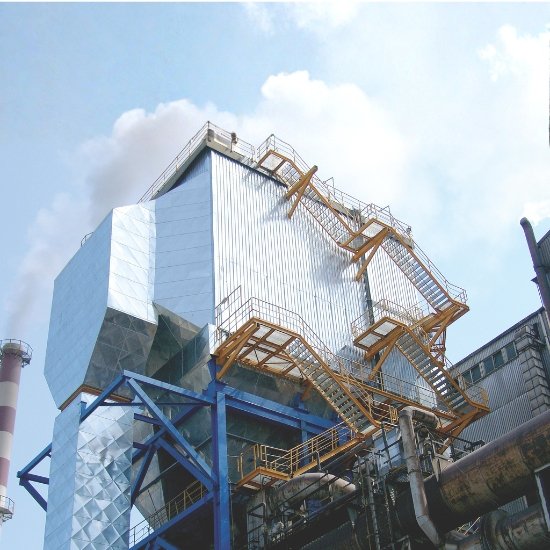
Why ESP Systems Are Essential for Industrial Air Pollution Control
Industrial growth brings productivity and innovation, but it also creates challenges related to air pollution and environmental compliance. One of the most effective technologies used to control particulate emissions is the ESP (Electrostatic Precipitator). Widely adopted across power plants, cement industries, steel plants, chemical units, and manufacturing facilities, ESP systems play a vital role in maintaining clean air and meeting regulatory standards.
With rising environmental awareness and stricter emission norms, industries are increasingly investing in ESP solutions to ensure sustainable and responsible operations.
ESP Services and Industrial Applications
ESP systems are designed to remove fine particulate matter such as dust, smoke, and ash from industrial exhaust gases before they are released into the atmosphere. The core service of an ESP is to electrically charge particles in the flue gas and collect them on oppositely charged plates, resulting in highly efficient particle removal.
Industries rely on ESP services for design, manufacturing, installation, commissioning, and maintenance. Modern ESP solutions are customized based on gas volume, particle characteristics, operating temperature, and emission limits. Advanced ESP designs also include automation, rapping systems, and energy-efficient power supplies to improve collection efficiency and reduce operating costs.
Common applications of ESP include thermal power plants, cement kilns, boilers, furnaces, paper mills, and metal processing units.
Why ESP Is Important for Industrial Operations
The importance of ESP lies in its ability to significantly reduce air pollution while maintaining continuous industrial operations. Industrial processes often generate fine particulate emissions that are harmful to human health and the environment. ESP systems effectively capture these particles, helping industries comply with environmental regulations and improve workplace safety.
Another major advantage of ESP technology is its high efficiency, often exceeding 99% for particulate removal. Unlike mechanical filters, ESP systems can handle large gas volumes and high temperatures with minimal pressure drop. This makes ESP an energy-efficient solution for large-scale industrial applications.
By installing ESP units, industries not only protect the environment but also enhance their brand reputation and demonstrate commitment to sustainable practices.
How to Choose the Right ESP System
Choosing the right ESP system requires careful evaluation of several technical and operational factors. The first step is understanding the nature of emissions, including particle size, concentration, and chemical composition. These parameters directly influence ESP design and performance.
Gas flow rate and temperature are also critical considerations. An ESP must be designed to handle specific operating conditions without compromising efficiency. Space availability, layout constraints, and future expansion plans should also be considered during selection.
Another important factor is power consumption and control systems. Modern ESP designs incorporate advanced controllers and transformers that optimize energy usage while maintaining high collection efficiency. Selecting a reliable ESP supplier with proven experience ensures the system performs consistently over time.
Why Hiring Professional ESP Solution Providers Matters
Hiring experienced professionals for ESP installation and services offers long-term benefits. A professional ESP provider conducts detailed site analysis and emission studies before recommending a suitable system. This ensures optimal performance and compliance with regulatory standards.
Professional service providers also ensure proper installation, calibration, and commissioning of ESP units. Incorrect installation can reduce efficiency and increase maintenance issues. With expert support, industries receive customized ESP solutions tailored to their specific process requirements.
In addition, professional ESP providers offer maintenance services, performance audits, and technical upgrades. This helps industries maintain consistent emission control and avoid costly penalties or shutdowns.
Other Major Factors Influencing ESP Performance
Several additional factors influence the effectiveness of ESP systems. Proper maintenance is one of the most important aspects. Regular inspection of electrodes, collecting plates, and rapping mechanisms ensures uninterrupted operation.
Electrical parameters such as voltage and current levels must be monitored continuously to maintain optimal particle charging. Environmental conditions like moisture content and gas composition can also affect ESP performance and must be considered during design and operation.
Technological advancements have led to the development of intelligent ESP systems with remote monitoring and automated controls. These innovations improve efficiency, reduce downtime, and support predictive maintenance strategies.
Frequently Asked Questions (FAQ)
What is ESP used for in industries?
ESP is used to remove particulate matter from industrial exhaust gases, helping reduce air pollution and meet emission standards.
Which industries commonly use ESP systems?
Power plants, cement plants, steel industries, chemical units, paper mills, and manufacturing facilities widely use ESP technology.
How efficient is an ESP system?
A properly designed ESP can achieve particulate removal efficiency of over 99%.
Is ESP suitable for high-temperature applications?
Yes, ESP systems are ideal for handling high-temperature and high-volume gas streams.
How often does an ESP require maintenance?
Routine inspections and periodic maintenance are recommended to ensure consistent performance and long service life.
Conclusion
As environmental regulations become more stringent, industries must adopt reliable emission control technologies to ensure sustainable operations. ESP systems offer an effective, energy-efficient, and proven solution for controlling particulate emissions across diverse industrial sectors. By understanding the importance of ESP technology, choosing the right system, and working with professional service providers, industries can achieve regulatory compliance while supporting environmental responsibility.
Investing in a high-quality ESP solution is not just a regulatory requirement—it is a strategic step toward cleaner air, safer workplaces, and long-term industrial success.