
Industrial Fans
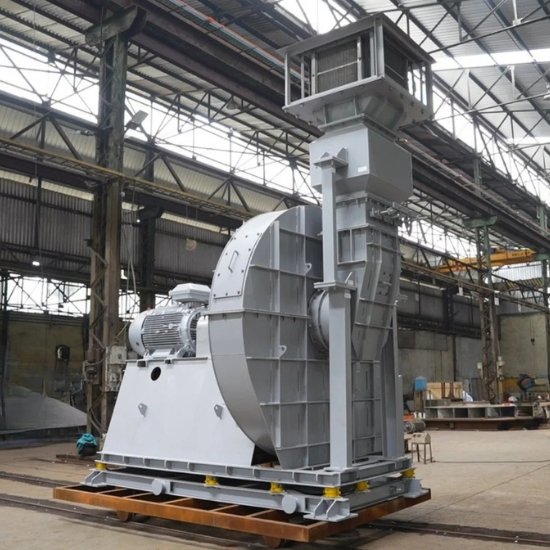
Why Industrial Fans Are Essential for Efficient and Safe Industrial Operations
As industrial infrastructure continues to expand, the demand for reliable and high-performance Industrial Fans has grown significantly. Understanding their services, importance, selection criteria, and the benefits of professional installation can help businesses make informed decisions that support long-term productivity.
Industrial Fans Services and Applications
Industrial Fans are engineered to handle demanding environments where continuous airflow is required. Their services extend beyond simple ventilation and include cooling machinery, removing heat, controlling humidity, exhausting fumes, and improving indoor air quality. They are widely used in industries such as manufacturing, cement plants, steel units, chemical processing, food processing, pharmaceuticals, logistics centers, and power generation.
There are various types of Industrial Fans available, including axial fans, centrifugal fans, exhaust fans, HVLS fans, blower fans, and roof-mounted fans. Each type is designed to serve specific airflow and pressure requirements. Advanced Industrial Fans are also integrated with energy-efficient motors and automation systems to optimize performance while reducing operational costs.
Why Industrial Fans Are Important in Industrial Settings
The importance of Industrial Fans lies in their ability to create a safe, productive, and efficient working environment. Excess heat, dust, fumes, and stagnant air can negatively impact worker health, machine performance, and product quality. Proper ventilation through Industrial Fans helps regulate temperature, reduce airborne contaminants, and maintain consistent airflow.
By improving air circulation, Industrial Fans also help prevent overheating of equipment, which reduces breakdowns and maintenance costs. In sectors where precision and hygiene are critical, such as pharmaceuticals and food processing, Industrial Fans ensure compliance with safety and quality standards. Additionally, well-designed ventilation systems contribute to energy efficiency by reducing the load on air conditioning systems.
How to Choose the Right Industrial Fans
Selecting the right Industrial Fans requires careful consideration of several factors. The first step is understanding the application requirement, including airflow volume, pressure needs, and operating conditions. Different industrial spaces demand different fan types, and choosing the wrong one can lead to inefficiency and higher energy consumption.
Another important factor is the size of the facility and ceiling height. For large warehouses and production floors, HVLS Industrial Fans are ideal due to their ability to move large air volumes at low speed. Material selection is also crucial, especially in corrosive or high-temperature environments. Fans made from high-grade steel or corrosion-resistant materials offer longer service life.
Energy efficiency, noise levels, ease of maintenance, and compliance with safety standards should also be evaluated when choosing Industrial Fans for industrial use.
Why Hiring Professional Industrial Fan Providers Matters
Hiring experienced professionals for Industrial Fans installation and supply offers several advantages. A professional provider understands airflow dynamics and can recommend the most suitable fan configuration for specific industrial needs. This ensures optimal performance and avoids costly errors in installation or selection.
Professional suppliers also offer customized solutions, integrating Industrial Fans with existing ventilation systems. They provide proper installation, testing, and commissioning to ensure safety and efficiency. Additionally, reliable service providers offer after-sales support, maintenance guidance, and technical assistance, which helps businesses maintain uninterrupted operations.
By working with experts, companies gain access to high-quality Industrial Fans that meet industry regulations and deliver consistent performance over time.
Other Major Factors Influencing Industrial Fan Performance
Several additional factors influence the effectiveness of Industrial Fans in industrial environments. Proper placement of fans plays a significant role in achieving uniform airflow. Incorrect positioning can create dead zones and reduce overall efficiency.
Maintenance is another critical factor. Regular cleaning, lubrication, and inspection help Industrial Fans operate at peak performance and extend their lifespan. Environmental conditions such as dust levels, humidity, and temperature extremes must also be considered during fan selection and operation.
Technological advancements have introduced smart Industrial Fans equipped with variable frequency drives (VFDs) and automation controls. These features allow precise airflow management, reduced energy consumption, and improved operational control.
Frequently Asked Questions (FAQ)
What are Industrial Fans used for?
Industrial Fans are used for ventilation, cooling, exhaust, air circulation, and temperature control in industrial and commercial facilities.
Which industries require Industrial Fans the most?
Manufacturing, power plants, warehouses, cement, steel, chemical processing, food processing, and pharmaceuticals rely heavily on Industrial Fans.
How do Industrial Fans improve energy efficiency?
By improving air circulation and reducing heat buildup, Industrial Fans lower the load on cooling systems and help optimize energy usage.
Can Industrial Fans be customized?
Yes, Industrial Fans can be customized based on airflow requirements, material selection, and operating conditions.
How often should Industrial Fans be maintained?
Regular inspection and maintenance every few months are recommended to ensure optimal performance and longevity.
Conclusion
Industrial operations demand reliable airflow solutions that support safety, efficiency, and productivity. Industrial Fans are a vital component of any industrial ventilation system, offering benefits that extend from worker comfort to equipment protection and energy savings. By understanding their importance, selecting the right type, and hiring professional providers, businesses can maximize the value of their investment.
As industries continue to grow and modernize, choosing high-quality Industrial Fans and maintaining them properly will remain a key factor in achieving sustainable and efficient industrial performance.